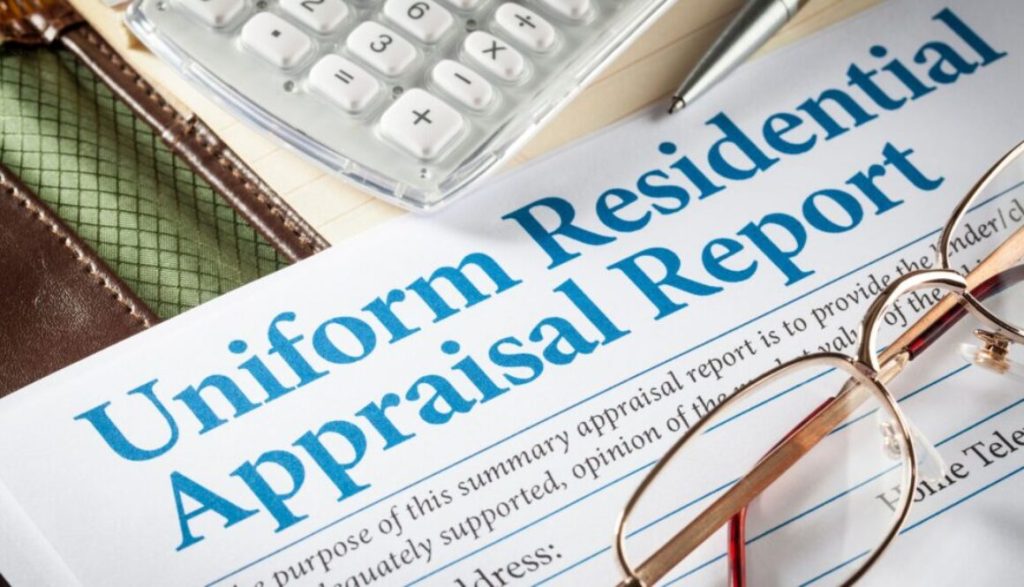

If you work in mortgage lending, you already know that an appraisal is more than just a number attached to a property. An appraisal helps a lender understand whether a property provides sufficient collateral for a loan. But completing the appraisal is only one part of the process. The appraisal also needs to meet applicable Fannie Mae appraisal requirements before the loan can be delivered to Fannie Mae.
So, what exactly does Fannie Mae look for in an appraisal?
Quick answer:
Fannie Mae appraisal requirements cover areas such as property eligibility, appraisal report completeness, comparable sales, market analysis, property condition, appraisal quality, and applicable UAD reporting requirements.
What Are Fannie Mae Appraisal Requirements?
Fannie Mae appraisal requirements are the policies and standards lenders and appraisers need to follow when an appraisal is required for a mortgage transaction intended for delivery to Fannie Mae.
For loans requiring an appraisal, lenders need to obtain and review an appraisal that provides reliable information about the property’s value, condition, and marketability.
That means an appraisal should not simply provide a value. It should also provide enough supporting information for the lender to understand how that value was developed.
Why Are Fannie Mae Appraisal Requirements Important?
Think about the appraisal from the lender’s perspective.
A lender may be financing a significant amount of money against a property. If the property’s value, condition, or marketability is not accurately represented, the lender could face additional collateral risk.
That is why appraisal quality matters.
A properly completed appraisal can help lenders:
- Evaluate collateral risk
- Support mortgage underwriting decisions
- Understand current market value
- Identify potential property issues
- Review comparable sales
- Evaluate market conditions
- Confirm applicable appraisal requirements
- Reduce avoidable delays during the loan process
What Does Fannie Mae Look for in an Appraisal?
1. Complete and Accurate Property Information
The appraisal needs to clearly identify the subject property.
This includes information such as the property’s complete address and, where applicable, the unit number and legal description.
Accurate property identification matters because even a basic address or property-identification issue can create questions about whether the appraisal actually applies to the property being financed.
2. Property Condition
Property condition is another important part of the appraisal.
The lender needs to understand whether the property meets applicable eligibility requirements and whether deficiencies could affect its value, marketability, safety, soundness, or structural integrity.
Appraisal review becomes especially important when a property has:
- Deferred maintenance
- Structural concerns
- Safety issues
- Significant physical deficiencies
- Unusual property characteristics
- Renovation or construction concerns
The objective is not simply to identify problems. The appraisal should provide appropriate analysis and documentation so the lender can understand how those conditions may affect the property and transaction.
3. Comparable Sales
Comparable sales are one of the most important parts of a residential appraisal.
But simply listing several comparable properties does not tell the entire story.
The appraiser needs to analyze the comparable sales and explain how they relate to the subject property.
A lender should be able to understand:
- Why the comparables were selected
- How similar they are to the subject property
- What differences exist
- Whether adjustments are appropriate
- Whether the comparable data supports the reported value
This is one reason appraisal review is so important. A report can appear complete while still requiring closer analysis.
4. Market Conditions
Real estate markets change, sometimes quickly.
A comparable sale from several months ago may not represent today’s market in exactly the same way as a recent sale.
Fannie Mae guidance requires appropriate analysis of changing market conditions when applicable, including consideration of whether a time adjustment is warranted.
For lenders, this means market condition analysis deserves attention during appraisal review.
The question isn’t only: What did similar properties sell for?
It is also: What was happening in the market when those properties sold, and how does that compare with the market today?
5. Property Listing and Sales History
Recent listing and sales activity can provide important context about a property.
When applicable, appraisal reporting should address whether the subject property is currently listed for sale or was offered for sale during the relevant period before the appraisal’s effective date.
This information helps lenders understand the property’s recent market activity.
For example, if a property was recently listed at a significantly different price, the lender may want to understand the circumstances behind the difference.
6. Market Value
Ultimately, the appraisal needs to support a credible opinion of market value.
The reported value should make sense when the lender considers the complete appraisal rather than looking at the final number in isolation.
Important factors can include:
- Subject property characteristics
- Comparable sales
- Market conditions
- Property condition
- Location
- Recent listing and sales history
- Relevant market data
What Is the Lender’s Responsibility?
A common misconception is that once an appraisal arrives, the lender simply accepts the appraiser’s value.
That is not how the process works.
The lender has a responsibility to review the appraisal and determine whether it satisfies applicable requirements.
The lender should evaluate whether:
- The property meets applicable eligibility requirements
- The appraisal provides an accurate and reliable opinion of value
- The appraisal complies with applicable requirements
- The report contains potential deficiencies
- The supporting data and analysis are reasonable
This is why a strong appraisal review and quality control process can be valuable to mortgage lenders.
Do All Fannie Mae Loans Require an Appraisal?
No.
Certain eligible transactions may receive a Value Acceptance offer through Fannie Mae’s Desktop Underwriter (DU). When applicable requirements are met, Value Acceptance can allow a lender to use the submitted property value without obtaining a traditional appraisal.
It is important to understand that this option is not available for every transaction. Eligibility depends on the applicable Fannie Mae requirements and the specific loan casefile.
Lenders should therefore follow the current Fannie Mae guidance and the instructions associated with the individual transaction.
What Is UAD 3.6 and Why Does It Matter?
One of the biggest changes affecting appraisal reporting is the transition to UAD 3.6 and the redesigned Uniform Residential Appraisal Report (URAR).
UAD 3.6 introduces a more structured approach to appraisal data and reporting.
For lenders and appraisers, this transition matters because appraisal technology, reporting workflows, data requirements, and quality-control processes need to support the new framework.
Fannie Mae’s current guidance states that UAD 3.6 becomes mandatory for new appraisal submissions beginning November 2, 2026, subject to applicable policy exceptions.
How Does UAD 3.6 Affect Appraisal Review?
UAD 3.6 is more than a simple form change.
It represents a more structured approach to appraisal data. For lenders and appraisal management companies, appraisal review processes need to account for the new reporting structure and applicable data requirements.
Teams involved in appraisal management should understand:
- UAD 3.6 reporting requirements
- The redesigned URAR
- Data quality expectations
- UAD compliance requirements
- Submission requirements
- Appraisal review procedures
Being prepared can help reduce avoidable issues during the transition.
What Happens If an Appraisal Does Not Meet Requirements?
An appraisal that does not meet applicable requirements may require additional review, clarification, correction, or another appropriate action before the loan can move forward.
Depending on the situation, a lender may need to:
- Request clarification
- Obtain additional documentation
- Address appraisal deficiencies
- Review comparable sales
- Evaluate property condition
- Request a correction or revision when appropriate
- Follow applicable reconsideration of value procedures
The earlier a potential appraisal issue is identified, the less likely it is to create a last minute problem before closing.
How Can an AMC Help Lenders With Appraisal Requirements?
This is where an experienced appraisal management company (AMC) can become an important part of the lender’s workflow.
An AMC can help coordinate appraisal orders, connect lenders with qualified appraisers, manage assignments, monitor turnaround times, support quality control processes, and keep communication organized throughout the process.
But the goal should not simply be to move an appraisal from “ordered” to “completed.”
The goal should be to create a process where quality, compliance, communication, and efficiency work together.
For lenders managing a large appraisal volume, that can make a meaningful difference.
Fannie Mae Appraisal Requirements: A Simple Checklist
| Review Area | What to Check |
|---|---|
| Property Identification | Is the subject property correctly identified? |
| Property Condition | Are relevant condition, safety, soundness, or structural issues properly addressed? |
| Comparable Sales | Are the comparable properties relevant and adequately analyzed? |
| Market Conditions | Has the current market environment been appropriately considered? |
| Listing History | Has relevant recent listing and sales activity been considered? |
| Market Value | Does the analysis adequately support the reported value? |
| Reporting | Does the appraisal satisfy applicable reporting and documentation requirements? |
| UAD | Does the transaction require applicable UAD 3.6 reporting? |
| Quality Control | Has the lender completed its required appraisal review? |
Final Thoughts
Fannie Mae appraisal requirements can seem complicated because they cover much more than simply determining a property’s value.
At their core, however, the objective is straightforward: the lender needs reliable information about the property’s value, condition, and marketability so it can make a sound lending decision.
For lenders, staying current with appraisal requirements is especially important as the industry moves toward UAD 3.6 and the redesigned URAR.
For appraisers, understanding the reporting and documentation expectations can help reduce avoidable issues and improve report quality.
And for appraisal management companies, strong processes, qualified appraiser networks, quality control, technology, and clear communication can help lenders manage the appraisal process more efficiently.
As Fannie Mae continues updating its Selling Guide and appraisal policies, lenders and appraisal professionals should always refer to the current Fannie Mae guidance for the requirements applicable to a specific transaction.
Ready for a More Efficient Appraisal Workflow?
Signature AMC helps lenders manage appraisal workflows with a focus on accuracy, compliance, transparency, and efficient turnaround.
From appraisal ordering and qualified appraiser selection to quality control and delivery, our team helps keep the valuation process moving.
Disclaimer: This article is intended for general educational purposes and should not be considered legal, regulatory, underwriting, or appraisal advice. Fannie Mae requirements can change. Lenders and appraisal professionals should always review the current Fannie Mae Selling Guide and applicable policy requirements for the specific transaction.